
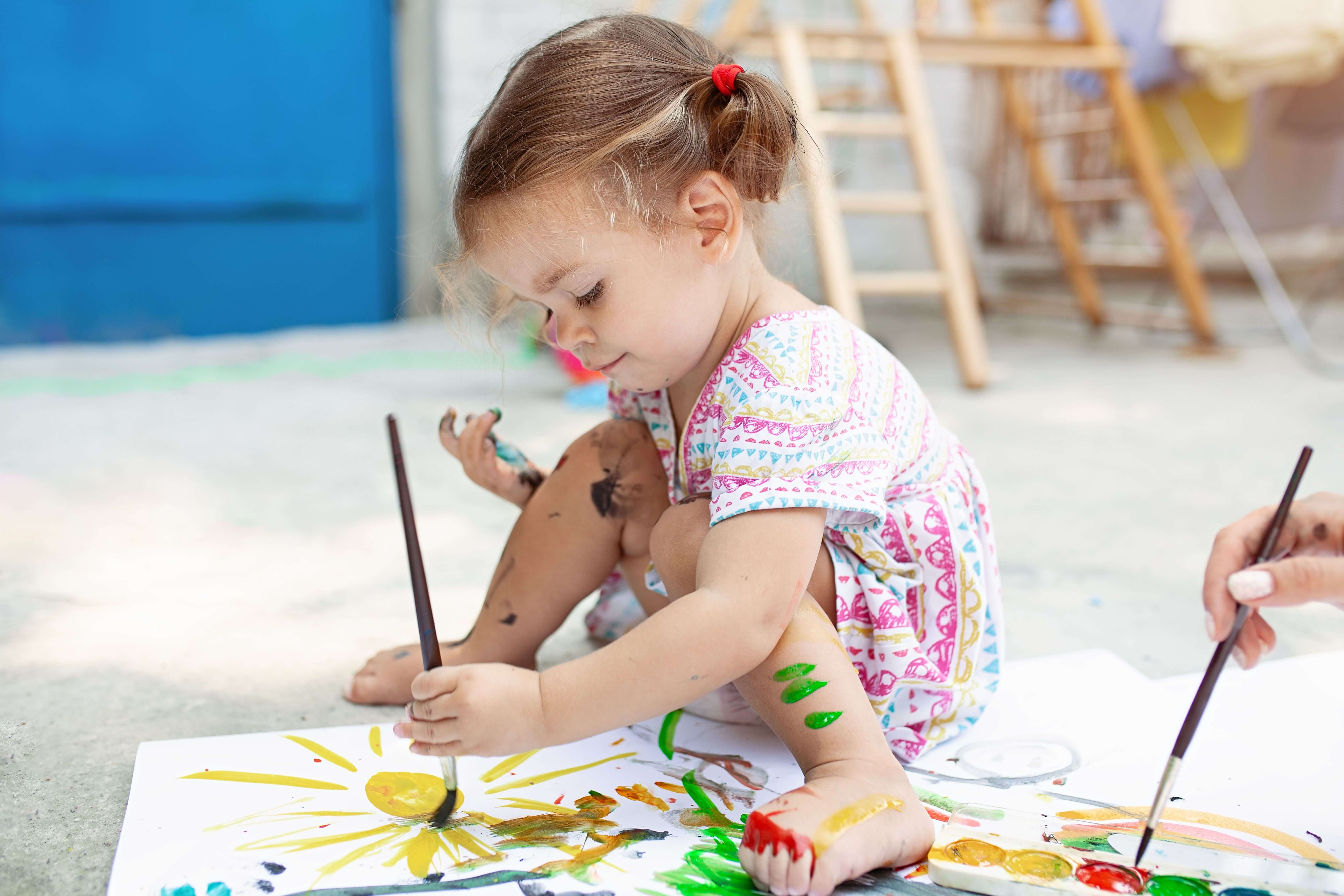
In today’s fast-paced world, children are increasingly exposed to technology and digital entertainment. While these tools can be beneficial, they often take away opportunities for hands-on creativity and learning. Drawing, an essential form of self-expression and creativity, remains one of the most effective ways to engage a child’s mind. Children’s drawing classes offer a unique, enriching experience that helps shape young minds by nurturing creativity, enhancing learning, and promoting emotional well-being. In this article, we’ll explore why children’s drawing classes are so important and how they contribute to a child’s overall development.
The Role of Drawing in Child Development
Drawing is a fundamental skill that many children start practicing early on. Whether it’s scribbling with crayons or sketching their first recognizable image, drawing offers children the chance to engage in visual thinking and communication. It not only helps develop fine motor skills but also aids in cognitive, emotional, and social development. The structured environment of a drawing class enhances these benefits and provides children with the opportunity to refine their artistic skills while growing personally and intellectually.
Drawing isn’t just about creating art—it’s about helping children think, express themselves, and build crucial life skills. Here's how children’s drawing classes benefit them in various ways:
1. Encouraging Creativity and Imagination
Children are naturally imaginative and creative. However, without the right environment, their creative potential can be stifled. Drawing classes provide an open, supportive space where children can freely explore their ideas and experiment with different forms of art. This freedom allows them to push boundaries, think outside the box, and develop their unique creative voices.
In these classes, children are encouraged to visualize scenes from their imagination—whether it's drawing their favorite animals, designing their dream house, or crafting fantastical creatures. This kind of creative expression helps children break free from traditional thinking and fosters a mindset that values originality and exploration. The more children engage with their creativity, the more they develop their critical thinking and problem-solving abilities.
2. Developing Fine Motor Skills
Drawing is an excellent way to enhance a child’s fine motor skills, which are necessary for many everyday tasks such as writing, eating, and using utensils. Through drawing, children learn to control their hand movements, develop better hand-eye coordination, and refine their ability to grasp and manipulate tools such as pencils, brushes, and markers.
For example, when children focus on drawing lines, shading areas, or coloring within specific shapes, they are practicing dexterity and precision. This, in turn, helps them build the foundational skills needed for writing and other activities that require fine motor coordination. The more children practice drawing, the more their hand muscles strengthen and develop, leading to improved overall coordination.
3. Enhancing Cognitive and Problem-Solving Skills
Drawing is a dynamic activity that engages both sides of the brain. It involves observing the world around them, thinking critically about how to represent objects, and making decisions about colors, shapes, and compositions. As children draw, they learn to analyze relationships between shapes, proportions, and perspectives—skills that are applicable to subjects such as math, science, and engineering.
For example, when a child is drawing a tree, they must decide how large the branches should be compared to the trunk, where to place the leaves, and how to give the drawing depth. This requires both logical thinking and creative problem-solving. The more children practice these activities, the more their ability to approach problems in other areas of life improves, as they learn to think critically and systematically.
4. Facilitating Emotional Expression and Regulation
Drawing offers children a powerful tool to express their emotions. For younger children, articulating feelings can be challenging, especially when they lack the vocabulary to communicate complex emotions. Drawing provides a non-verbal outlet for self-expression and helps children process their thoughts and feelings.
In drawing classes, children are often encouraged to create pictures that reflect their emotions or personal experiences. They might use colors, shapes, or characters to symbolize how they feel—whether it’s joy, sadness, fear, or excitement. By drawing their emotions, children gain a deeper understanding of their feelings and learn how to manage them effectively. This emotional intelligence is key to helping children navigate their social and emotional world.
Moreover, drawing can be a calming and meditative activity. When children feel overwhelmed or anxious, focusing on drawing can help them relax and regain a sense of control. The repetitive nature of certain artistic processes, such as coloring or sketching, can have a soothing effect, reducing stress and promoting emotional well-being.
5. Building Confidence and Self-Esteem
One of the most rewarding aspects of children’s drawing classes is the boost in confidence and self-esteem that children experience. Creating something with their own hands gives children a sense of pride and accomplishment, particularly when they see their work being appreciated by others.
Drawing also teaches children that mistakes are a natural part of the creative process. The act of experimenting with different ideas and techniques helps children develop resilience as they learn to overcome challenges and try again. When children see the progress they make, whether it’s mastering a new technique or completing a drawing they’re proud of, they develop confidence in their abilities, which contributes to a positive self-image.
Additionally, drawing classes provide opportunities for positive reinforcement. Teachers and peers can offer praise, support, and constructive feedback, all of which help children feel valued and capable. This encouragement motivates children to continue developing their skills, fostering an environment where self-expression and improvement are celebrated.
6. Promoting Social Interaction and Teamwork
Drawing classes are not only an opportunity for children to develop individual skills but also a space to engage with others. Many drawing classes include group projects or collaborative activities, where children work together to create shared artwork or participate in artistic challenges. These experiences help children develop essential social skills such as communication, collaboration, and conflict resolution.
For instance, when children collaborate on a group mural, they learn how to share resources, listen to others’ ideas, and provide helpful feedback. They also learn the importance of working together toward a common goal. These social experiences help build teamwork skills and foster a sense of community among peers.
In addition to group activities, children’s drawing classes often provide opportunities for children to present their artwork to the class. This encourages them to share their ideas and learn how to express themselves in front of others—building confidence and public speaking skills in a supportive environment.
Conclusion: A Valuable Investment in a Child’s Future
Children’s drawing classes offer more than just a chance to make art—they provide an avenue for young people to explore their creativity, develop essential skills, and express themselves emotionally. The benefits of drawing classes extend beyond the art itself, positively impacting a child’s cognitive, emotional, and social development.
By engaging children in 創意學堂 學生畫畫好靚 at an early age, we are helping them build the foundation for lifelong skills that will serve them throughout their academic journey and in all aspects of their future. Whether a child becomes a professional artist or simply continues to enjoy art as a hobby, the creativity, problem-solving, and emotional intelligence developed in drawing classes will stay with them for years to come.
Ultimately, enrolling children in drawing classes is an investment in their growth, helping them cultivate important skills, build confidence, and express themselves in meaningful ways. It’s an opportunity to give children the tools they need to thrive—both in the world of art and in life.